 3,000+ Happy Customers
How do you identify Victorian jewellery?
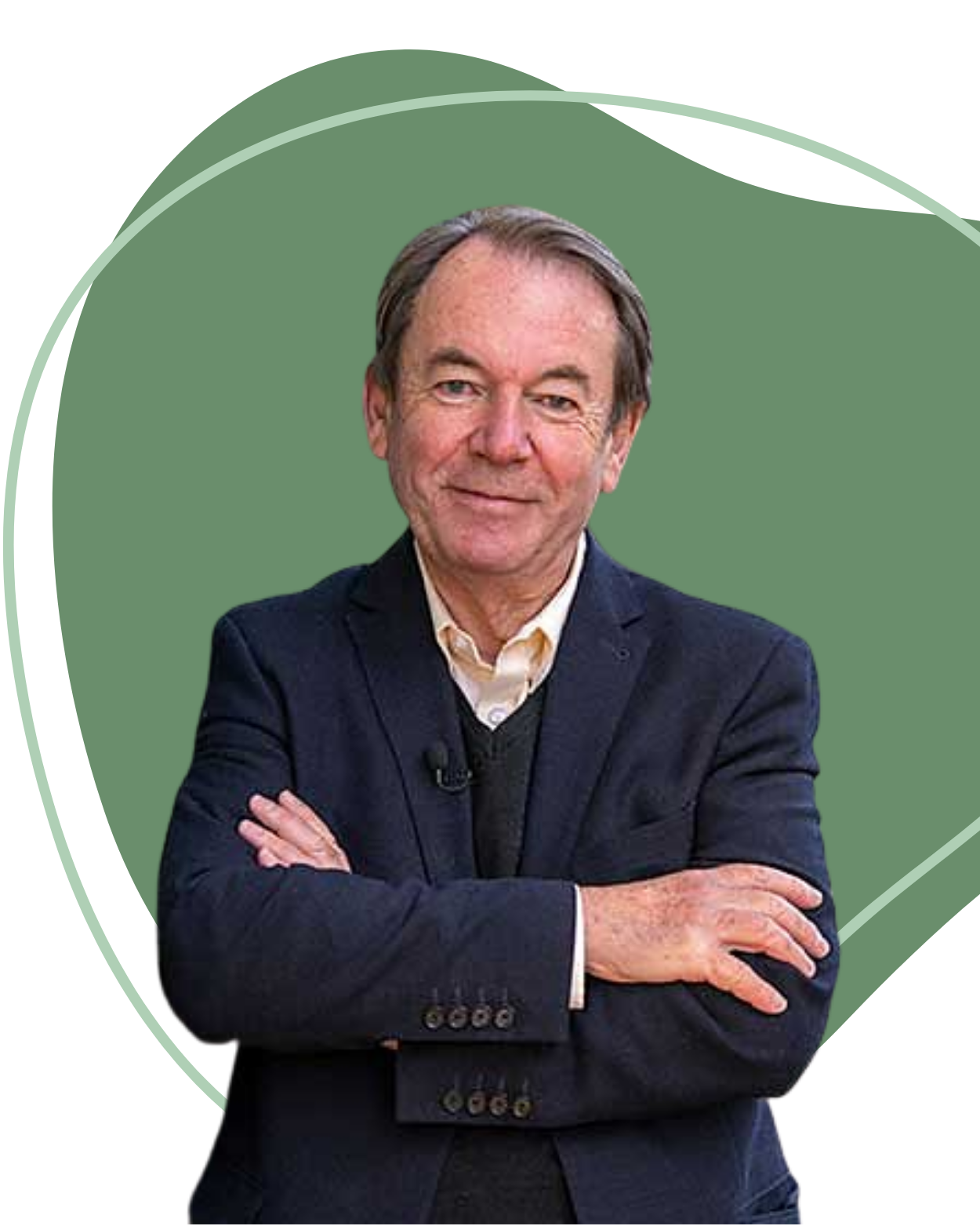
A household name from the BBC's Antique Roadshow, Eric Knowles works alongside our team of experts.
Here he tells us more about Victorian jewellery - what makes it so special and what to look out for.
How do you identify Victorian jewellery?
Victorian jewellery remains one of the most sought-after collecting areas, celebrated for its exceptional craftsmanship, symbolism and timeless elegance. Often pieces include intricate gold or silver work, and natural gemstones. Hallmarks can help identify the metal, maker and date, while original fittings and clasps often add to both authenticity and value.
The changing styles of Victorian jewellery
Victorian jewellery spans more than 60 years of changing fashions, making it one of the most diverse and fascinating periods for collectors. From romantic floral designs and colourful gemstones to sombre mourning pieces inspired by Queen Victoria herself, each era tells a different story.
Mid-Victorian jewellery is known for its richness and confidence. Combining Romanticism and the discovery of gold in Australia and South Africa, larger and more elaborate gold jewellery became fashionable. Bright sapphires and turquoise, heavy chains and detailed brooches reflected a growing prosperity and appetite for display.
Alongside this sat one of the most distinctive areas of nineteenth-century jewellery: mourning jewellery. Following the death of Prince Albert in 1861, Queen Victoria entered a prolonged period of mourning that influenced fashion across Britain. Memento mori jewellery made from jet became particularly popular, alongside lockets containing photographs, woven hairwork, and pieces inscribed with dates or initials. Today, these objects offer a fascinating glimpse into Victorian attitudes towards loss and remembrance.
Towards the end of the century, tastes began to shift again with the emergence of the Aesthetic Movement. Inspired by art, literature and the natural world, silver and gold jewellery became lighter and more artistic in character. Designs often featured flowers, birds, insects and classical motifs, with visual beauty and craftsmanship valued above displays of wealth. Many of these pieces anticipated the flowing forms that would later define Art Nouveau.
What Makes Victorian Jewellery Valuable?
Victorian jewellery continues to be one of the most collected areas of antique jewellery, with certain pieces attracting strong interest from buyers and collectors alike. While age is important, value is more often determined by rarity, craftsmanship, condition and the quality of the materials used. Jewellery that reflects distinctive Victorian styles, from colourful gemstone designs to mourning and sentimental pieces, can be particularly desirable.
Originality also makes a significant difference. Pieces that retain their original gemstones, fittings and hallmarks are often more sought after than those that have been altered over the years. Maker's marks, exceptional workmanship and an interesting history can all add further appeal.